

Civil Defense
Civil Defense
Civil defense [ˌsivəl dəˈfen(t)s, ˌsivəl dēˈfen(t)s] n. The system of protective measures and emergency relief activities conducted by civilians in case of hostile attack, sabotage, or natural disaster. —Merriam-Webster
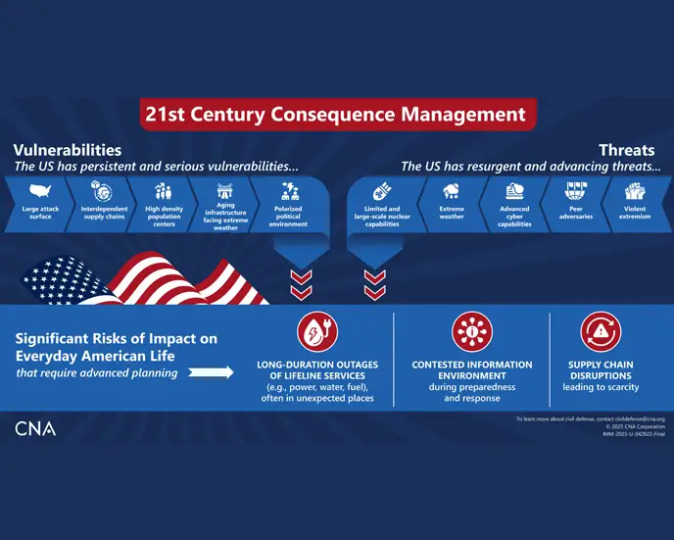
A growing list of threats to the homeland requires a renewed approach to emergency management and civil defense. Nation‑state adversaries, extreme weather, brittle supply chains, and aging infrastructure create conditions ripe for cascading, long‑duration consequences for communities across the country.
The United States has confronted threats of this magnitude before. During World War II and the Cold War, when dangers were direct and the stakes were existential, civil defense carried the nation through. Today, CNA’s three pillars of practice provide a civil defense framework across government, the public, and the private sector.
PILLARS OF PRACTICE
|
|
||
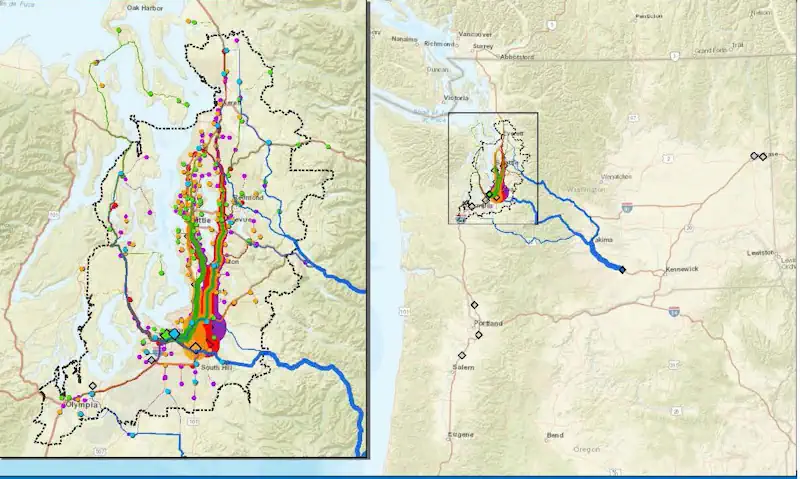
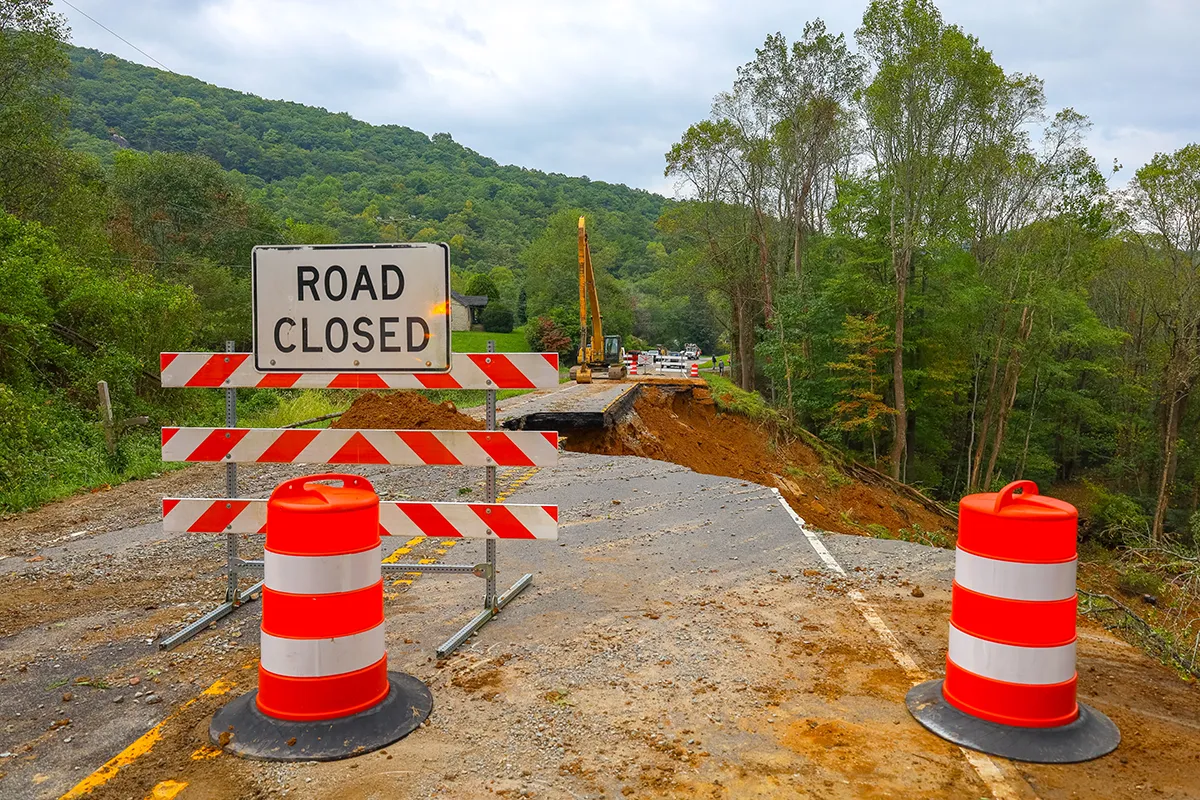
Securing Critical Infrastructure and Supply Chains |
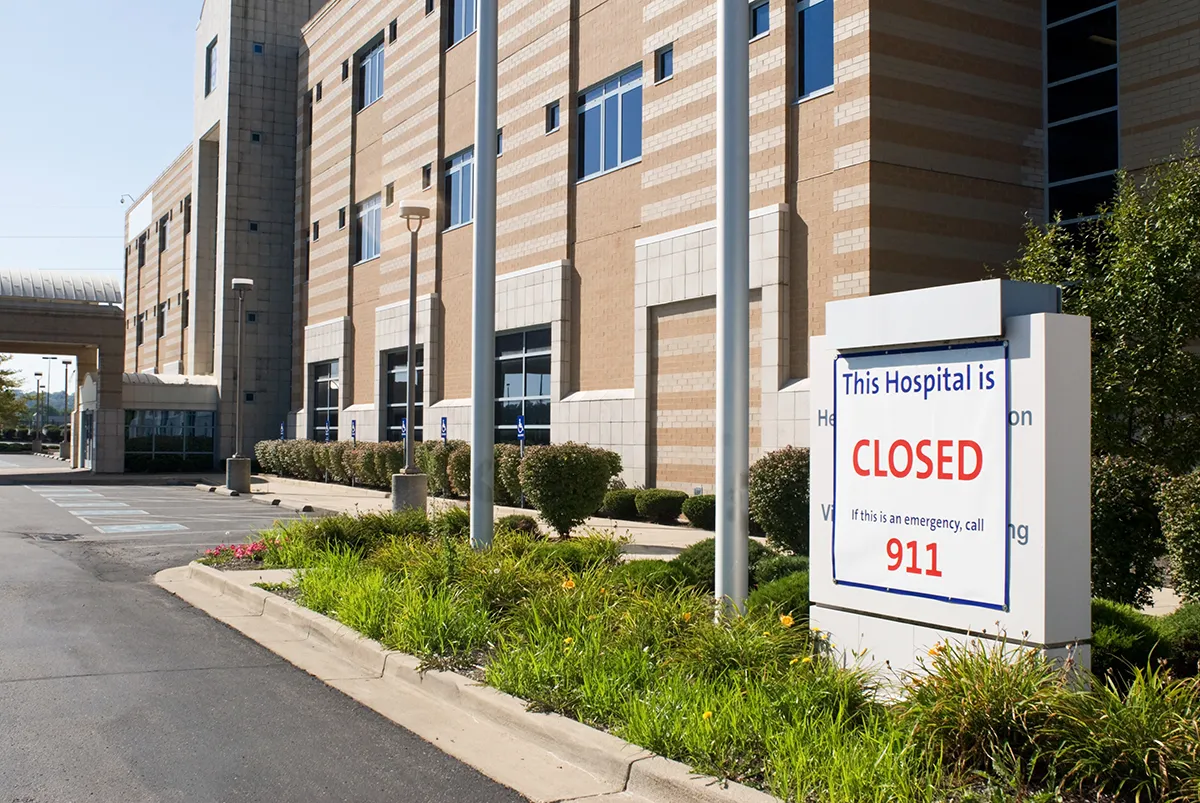
Consequence Management |
Public Trust and the Information Environment |
|
|
Securing Critical Infrastructure and Supply Chains |
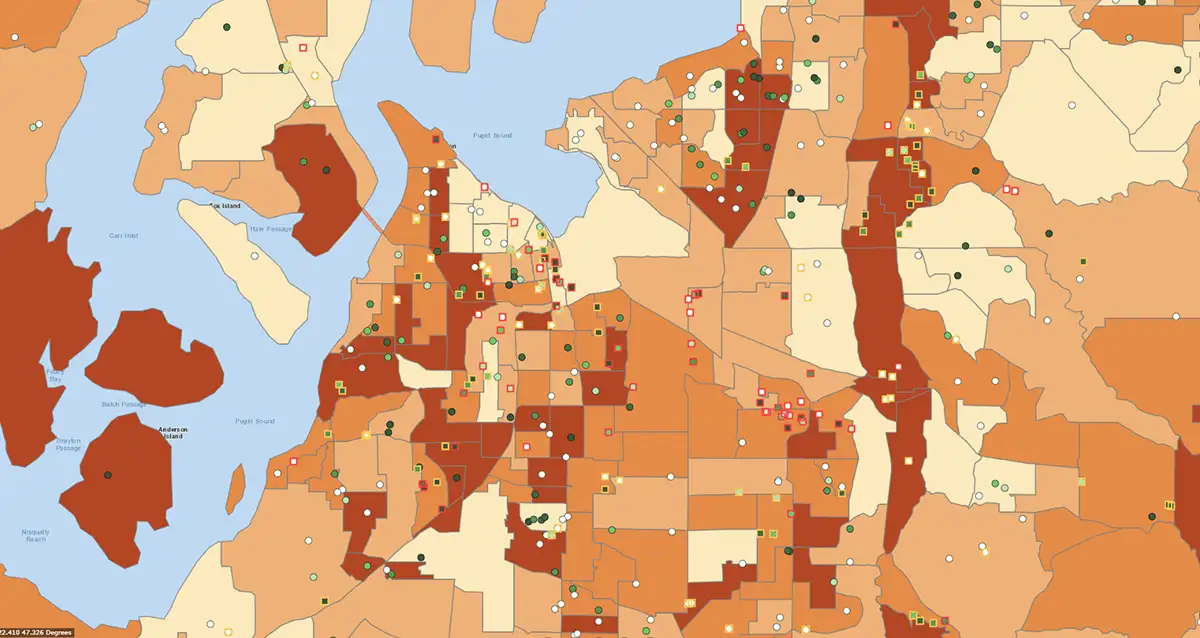
Communities and economies run on an interconnected set of physical, digital, and logistical systems. CNA helps jurisdictions map those interdependencies before an incident occurs: assessing infrastructure vulnerabilities, building cybersecurity preparedness, and analyzing supply chain risk, from blue-sky planning through activation support during disasters.
Consequence Management |
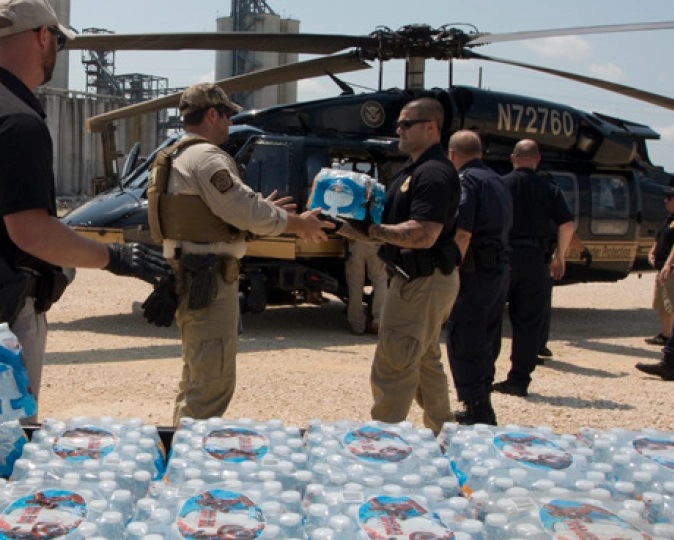
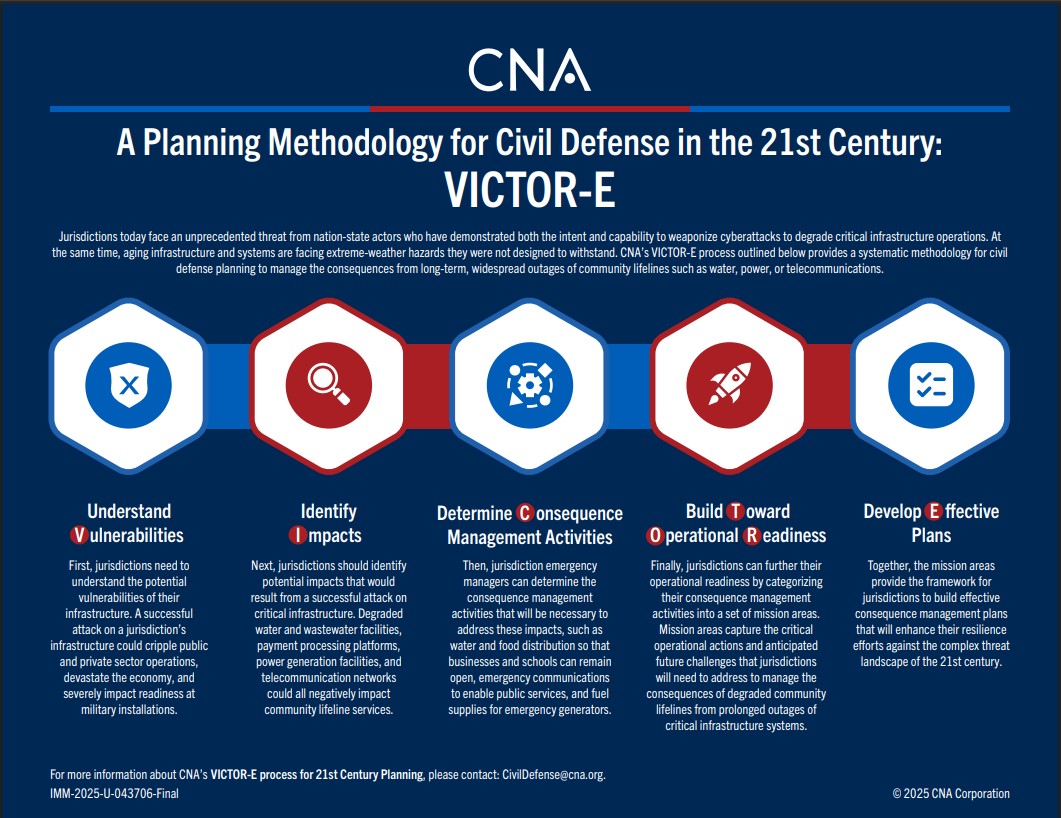
Once an incident hits, the work shifts from prevention to response. CNA supports jurisdictions managing the operational consequences of complex incidents, particularly long-duration, widespread outages of lifeline systems. This includes population support (water and food distribution, emergency communications, fuel); continuity operations to keep government, schools, and the private sector running; and the operational coordination and policy decisions that hold a long-running response together.
Public Trust and the Information Environment |
Today’s incidents and events will always spill into the information environment, where adversaries and opportunists move fast, pushing narratives and manufacturing confusion. The information environment will be rife with competing narratives, speculation, and false information. This creates a situation ripe for panic, mistrust, and a loss of social cohesion. CNA helps jurisdictions sustain public trust and counter false and misleading information during a response, including election security and resilience against adversarial narrative campaigns.
“The global security landscape has changed dramatically. The US urgently needs to reorient preparedness at every level to respond to the threats we face today—and tomorrow. ”
David Kaufman
Vice President and Director, CNA Safety and Security